Podcast Excerpt:
Sometimes your career gets taken a little bit out of your hands because they’ll say, “Oh, I think you’d be good in this role, or we would like to…” All of a sudden after you’ve been there for so long, you are not managing your growth and development, you’re getting a new assignment or something that puts you in a new position somewhere else. So that can be challenging, but, and I certainly had my share of getting assignments that I wasn’t as successful in or as happy about as other assignments. So I think that comes with the territory and you just have to do the best you can and make sure that you’re focused on your own self-development and that you’re delivering and keeping in alignment with your own personal values.
Guest Bio:
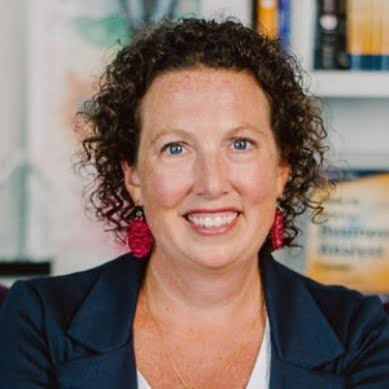
Dr. Kim has a doctorate in behavioral health management, a master’s in healthcare innovation, a bachelor’s in communication, and an associate’s degree in computer information systems. With all that, she has over 25 years of business and leadership experience in the healthcare and software industries. Oh, and by the way, she is a certified six sigma black belt and trainer in Canfield’s success principles. She has also been certified as a Scrum coach, product owner, software quality engineer, and on the side she is a clinical, emotional freedom technique practitioner. The common thread through all of her education and background is a passion for personal development through leadership, quality, innovation, technology and growth.
Episode Transcript:
Host: Tracie
And hello, everyone, and welcome to Traceability podcast. I am your host, Tracie Edwards. And today we have my dear friend Dr. Kim Cobler with us, and I'm so grateful for that. Dr. Kim has a doctorate in behavioral health management, a master's in healthcare innovation, a bachelor's in communication, and an associate's degree in computer information systems. With all that, she has over 25 years of business and leadership experience in the healthcare and software industries. Oh, and by the way, she is a certified six sigma black belt and trainer in Canfield's success principles. She has also been certified as a Scrum coach, product owner, software quality engineer, and on the side she is a clinical, emotional freedom technique practitioner. The common thread through all of her education and background is a passion for personal development through leadership, quality, innovation, technology and growth. Thank you Dr. Kim for being with us. I'm so happy to have you with us today.Dr. Kim Cobler:
I'm so happy to be here. Super excited.Host: Tracie
Well, Kim and I have known each other several years now and we bonded over career change and the questions that we have had as we have moved along in our careers, and one of those is in relation to emotional intelligence. And Kim has been learning so much about that in the last few years and I'm eager for you to hear her advice and recommendations as to how we can improve our emotional intelligence in order to improve our career and life journey. Before we dig into all of that, Kim, I want to go back into your tech career background. So, how was it that you found yourself in technology and what attracted you to technology?Dr. Kim Cobler:
All right, I am going to date myself here, but that's okay, I own my age. But back in high school, I actually was introduced to TRS-80, I learned basic programming, and there was just a huge draw for me. I'm naturally an introvert, so I'm very introverted. I'm not good at all, I don't know how to work a room. I'm not good in big social settings. I'm a great relater at one-on-one or in small teams, but big social is me. So I think that kind of personality kind of gets drawn to technology and being able to work with computers and things, at least there's sure a lot of us in that field. So I think that was probably part of it. It was so long ago, I don't remember other than I loved being able to turn bits, settings off and on, and figure out how to make things and draw pictures on the computer and that kind of just stuck. I really loved it and so that stuck with me and I went and got my associate's degree. Back then we didn't need a bachelor's of science. I got an associate in computer information systems and started programming way back in the day and in COBOL and really enjoyed it. I guess I love detail, I like paying attention to detail and the industry has totally changed now. Now it's really easy compared to Assembler.Host: Tracie
Well let's talk about that though, because as you and I have seen change in technology and change in organizations over the years, what was it that sort of kept you in technology? Were there things that you needed to do to pivot or to change organizations or learn more, or what was that like for you?Dr. Kim Cobler:
Sure, lots of times I had to pivot. I really enjoyed programming but I think my personality, and I was all about, and I guess I've always been about efficiency and wanting to make things more straightforward and consistent. I was passionate about quality, and so I kept getting drawn into, hey, let's standardize this stuff or let's find a way that we can automate this piece of it so we don't have to keep going in here and fixing it. I was always about, how do I make this more effective, more efficient, how do I improve the quality? And I think that naturally drew me to moving into quality assurance, which was a huge leap because back then, software quality assurance or testing, going from a programmer to testing was going to the dark side. Right? So I really had to do some deep thinking about whether that's what I wanted to do or not. But I did have, like I said, a love and a passion for just wanting to make things better and have always been drawn to process improvement and software quality. So that was my first probably big change was moving from being a programmer to software quality assurance. And then I was blessed to work at a place that was focused on self-development teams and totally not managed teams, basically self-managed teams, I guess is the right word for it. I was trying to think back in the day what it was called, but I became super passionate about that. I mean we were a team that... and I was put in charge as the team leader and we had all the roles, this was before Agile and all those things. So we had all the roles of software quality, the engineer, the project plan, or all the pieces, the admin pieces, the leadership. And the goal was to really dissolve those roles and to work together as a group to produce a software product. And we set our own goals, we set our own reward system and we were very successful. And because of that, I ended up moving into training and teaching other teams how to become self-managed. And I became really passionate about that, I was... that way back in the day I was introduced to Marguerite Wheatley who was a mentor and she wrote a book, I think it's called Leadership and the New Science, I want to say. Fascinating book about, it was very scientific, it was about chaos and quantum theory and stuff, but all in the name of thinking about it in terms of organizations and organizational behavior. And so we used to go out and within this organization, set up these self-developed teams and help them establish that kind of infrastructure. So that was probably another really big pivot change. And then I moved into, I had always wanted to be in consulting, so I moved into becoming a consultant in software and our focus was around implementing a whole software quality management methodology, the whole software development lifecycle methodology, and doing that. And again, I made a pivot change, you probably should have asked me this question, I'll just focus on the really big ones. Sorry, I'll be quick, but that's actually where I really got my feet wet in terms of process improvement and self-development. And I was promoted in that role to be the director over the consulting practice, which I loved. I loved the business side, I loved working with the team and focusing on high quality delivery and building and establishing our credibility within the Wasatch front area where the community that we served. And what I didn't like was I was all about delivery. I've always been all about the delivery, like to deliver a high quality, amazing product. And so selling was the hard part for me. So I ended up transitioning out of that because I just, the second I found myself in Barnes & Noble in front of the spin selling section and how to be a salesman, instead of how to make high functioning teams and develop amazing software, I knew I was not going to be happy. So I moved into management rollover, software quality team and that's when I moved to 3M and to focusing on healthcare technology, and I spent the next 20-plus years there. And of course when you're there that long, you get to be in a lot of roles and have to pivot a lot. So I have lots of stories about pivoting, but I think the key probably, in all those pivots and how you do that, is really being passionate about what you're doing and feeling purposeful, like you're really making a difference or contributing and being confident in your skills and what you know you can deliver.Host: Tracie
That's great, and I was just sort of thinking about your experience at 3M, which is a very large conglomerate these days, thousands and thousands of employees. So, often we are able to stay in those large organizations, sometimes we're not. Was there a different emotional mindset for remaining in a larger organization and pivoting? Especially I think in organizations that are on the stock exchange and have to relate to shareholders and that kind of thing, oftentimes it can be difficult to remain in those organizations and pivot enough to stay there. So what were some of the mindsets that you needed to maintain or grow in order to remain happily in a large organization for a long time?Dr. Kim Cobler:
Well, there's definitely trade-offs. So big organizations have lots of bureaucracy, which can be slow moving at times. Right? We want to see it move faster, but they also, 3M was also very focused on innovation. They're known for innovation. So I think the trick is being in an organization that is aligned with your values. So they cared about improvement, they cared about innovation, they cared about development, your personal development. I had some amazing managers and leaders and I think that probably makes all the difference. Sometimes your career gets taken a little bit out of your hands because they'll say, "Oh, I think you'd be good in this role, or we would like to..." All of a sudden after you've been there for so long, you are not managing your growth and development, you're getting a new assignment or something that puts you in a new position somewhere else. So that can be challenging, but, and I certainly had my share of getting assignments that I wasn't as successful in or as happy about as other assignments. So I think that comes with the territory and you just have to do the best you can and make sure that you're focused on your own self-development and that you're delivering and keeping in alignment with your own personal values and what's, like I said, improvements and efficiency and quality have always been really important to me. So, that has always been my focus regardless of the role or what I was actually doing.Host: Tracie
I like how you talk about personal values and how those align with the organization. I think sometimes we find ourselves in a career, working at a job and we're happy to be there and we're happy to have a job and we don't necessarily worry about values so much, until maybe we're getting a little older. And then by then we've sort of invested in this organization that we've been at for a long time and suddenly things feel a little different to us. So can you talk about maybe, as we sort of grow in our tenure in our organizations and what are some things we should be aware of? Especially related to values and emotional intelligence, that can help us sort of, either sustain our situation or enable us to kind of make a break and move on.Dr. Kim Cobler:
Yeah, that's such a good question and has so many facets to it. So because your career, you definitely have a life cycle, as far as your career goes. When you're young, your goal is to get a lot of different experience and be varied in what you get, the experience that you get, because you're trying to build breadth and depth. And at some point, probably at least it was true for me, at some point then once you get some breadth in your experience and you have that good variety, then you need some depth in some certain areas and you have to focus. And so that's definitely a piece of it. And you also have things like, as you get older in your career, and this is definitely true in technology, I'm not sure in other careers, like in some careers it may be that being older is seen as more valuable, but that's not true for technology. Technology, when you picture technical companies, you picture a bunch of young, freshly graduated people that come out and are hungry and are going to try a lot of new things and have learned all the latest and greatest technology, and have kept abreast of it. So as you get older, you're making more money, you're a senior person and you really have to be thinking about, what am I contributing to get? Can they get three for the price of one? And am I... What's my value? And you have to be strong in what your value is and what you're contributing to an organization. And if you take that for granted, I think it's really easy to not be focused on your own personal development, keeping fresh with what's going on, learning the new technology that is relevant or that's going to increase and make you more successful and productive. And to be able to actually talk and have a conversation with the young ones that are coming in and that have learned all kinds of new technologies. And it's not that you have to know all the new technologies, but you have to also be mature enough in your and self-confident enough in your value and worth. That you can let them take over or you have to be okay with not knowing it all and that it's okay for them to leverage their skills and abilities and their strengths and what they've just learned fresh, and the up-and-coming technologies and contribute that to the team and not feel threatened by it. So you definitely have to be paying attention to that and how much, what are you worth and are you contributing that? And then how do you leverage the resources and the knowledge and expertise that is coming into the organization or that the organization has? And make sure that everybody's high-performing and is functioning and thriving in that environment and that they feel purposeful and like that they're contributing in that environment. So I don't know if that answered your question, but, and then there's definitely the piece of, there's all kinds of opportunity and a big organization like that to move around and to try new things. And I've been one that I love trying new things, I'm adventurous and I don't have a mindset of, oh, it would be too hard for me to learn. If somebody introduces me to something that I have never heard of before, my natural inclination is to go find out more about it or do some on a discovery adventure to learn more about it, not get overwhelmed by it, I guess.Host: Tracie
I like what you're saying there and it really seems to speak to self-awareness, understanding when you speak of understanding your value, understanding what you bring to an organization at different phases of your career. Really, what we're talking about is having some self-awareness and maybe can we talk about, what role does self-awareness play in emotional intelligence?Dr. Kim Cobler:
I think it's foundational. The more secure and confident you are, not arrogant, because then you're not going to be willing to listen to or hear other ideas. But the more just confident and secure you are, more self-aware you are, the better you understand what you're not good at and you're willing to own that and augment it with other people on the team if it's a necessary skill. Really, that's what Scrum teams in Agile is all about, right? Is about, how do we best leverage this team to achieve our common good, our common goal? And that does take a lot of self-confidence and it's self-awareness in what you're good at and what you're not good at. And everybody, I think, can probably improve in that area. We really do need feedback and we have to be-Host: Tracie
Sure.Dr. Kim Cobler:
... willing to receive feedback. And I've certainly had places, especially when I was younger in my career where it was not so easy for me to hear that and I didn't have that self-awareness. And there have been roles where I felt conflict and struggled with that, but I think out of all of those you'd get blessed with some growth hopefully, and learning experiences that contribute to making you more self-aware. So I think self-awareness is pivotal, I mean it's foundational. If you're taking everything personal and you don't have the ability to recognize when it's okay to say, "Hey, I don't know and let's work on this to get..." there are some times the whole team might not know and you need to bring in an outside expert. There's all kinds of situations, but it's important to know and understand. And be willing to learn, continuously learn and become even more self-aware because we do change. I think that probably, going back to the being in an organization for a long time can be a challenge, because if you started out young in your career and made impressions and here it is 20 years later and you're not that same individual but you have history or some kind of interaction with people and they remember that, and kind of a pigeon holed you into a place or a skill set or whatever it might be. Sometimes it's hard to break out of that and that requires definitely a significant amount of being self-aware and a good understanding so that you can navigate or work your way through trying to change somebody's perception. Because I do believe that people do change and do improve and grow and we have to honor that and give people the opportunity to illustrate that for us.Host: Tracie
So that's a really good point, that people may have a perception of us, which they have gained over many years. And then as we are trying to change, we need to sort of update their perception. Can you talk about how we can sort of cultivate that greater self-awareness? And once we do that, how can we help people with preconceptions, maybe see where we've been making some positive changes?Dr. Kim Cobler:
Sure. I think [inaudible 00:21:12], if you're working and you're concerned that somebody might have a perception that is not accurate, I think the first thing you can do is be willing to have a hard conversation, and be equipped to create an emotionally safe enough environment for them to know they can be candid with you and it's going to turn out positively. So one-on-one, I think you just owe it to yourself really, to have that one-on-one conversation and acknowledge and take ownership for maybe what you didn't do so good 10 years ago and why it might be different now, or why you would like an opportunity to illustrate that you are different. But I think the onus always falls on us to illustrate in some form or fashion. There's a great book called Leadership and the Self-Deception, I think that's what it's called. It's Arbinger Institute book. That was a really good book that helped give me some perspective about that, kind of talks about people and putting them in their box and what happens when people try to get out of their box and people are like, "No, you need to stay. This is how I know you need to stay in this box," because that makes them uncomfortable too. When you're ready to stretch and to grow, sometimes they have to take a risk of being willing to trust that you have changed or that you are... And so you have to be focused on building trust with people. And trust, I think I always think of trust as there's a few good books on trust, but the one that resonated the most with me was one that talked about trust being built with consistency, capability. So you have to be capable, you have to be consistent, and you have to be committed. And if you can show those three things, you can build trust with somebody. And so that's always, I think probably at least for me in my younger years, I wasn't as good at thinking about all those things and now I'm much more tuned into that and I think maybe that's kind of typical. I used to be able to wow them with my technical expertise or what I knew, but eventually, and certainly in the software industry, that's important, but eventually, if you're going to move into leadership or any kind of management role, those soft skills have to kick in and you have to be capable of those too. So, and before you know it, you're not going to be the [inaudible 00:23:45] kid on the block, the whiz kid, you're going to be the old person that has to value and honor what the whiz kids have to offer you. So, you got to be ready for that.Host: Tracie
Maybe let's talk about being ready for that, because I think at a certain point we know that we have to grow and develop, right? And for some of us that means that we're moving into leadership roles. So can we talk about how self-awareness helps us to be more effective leaders? Not just self-awareness, but emotional intelligence and in general.Dr. Kim Cobler:
The key things, in terms of being in a leadership role, is first of all, having a good, keen understanding of and being able to honor everybody's communication styles, their ability. How varied and different they are, to really care about the individual and the person. It really is about checking your ego at the door and building teams and contributing in a way where your primary focus is the overall goal or mission of the organization or the team, or maybe just with two individuals working together on a project, whatever it may be. But certainly from a leadership perspective, it's about forming that common purpose and mission and vision, and then just being willing to be vulnerable enough for people to see that you care about them as people, and that you want to contribute to their own personal growth and development. And sometimes that means delivering hard news and having some really candid conversations about where things might be going, getting amiss. And from being emotionally intelligent enough to, like I say, create a safe space for those kinds of conversations and know that it's never about the individual or the person. It's about, how can we create an environment where we're getting, meeting the outcomes of the work and the individuals are all able to contribute in a way that makes them feel good about the work that they're doing and feel successful and valued in the role that they're in. So sometimes that means we have to have the ability to create that environment. To create that environment of emotional safety that they can come and have a candid conversation or hear when things are going right. That's the other important part is being willing, you can't just focus on the business [inaudible 00:26:38] all the time. We got to focus on and be able to celebrate their successes too.Host: Tracie
That's great, and it occurs to me that most of us these days are working in some form of Agile teams. And one of the things with Agile is it used to be when we were all in the office and we were all within the same little square, we all worked together in the same space. And Agile was, or that type of format, actually requires a lot more of that emotional intelligence because you're in each other's spaces, you're working all of you on the same task. And now we don't necessarily, we're still in Agile teams, but we're not all together anymore. And perhaps we're losing out on some of that communication of emotional intelligence within teams because we're not physically in the same space. Dr. Kim Cobler: Yeah, it's definitely challenging because you don't, when everyone's working remote, which is I'm assuming. I mean, some people could be in offices in different parts of the world or country, but for the most part they're probably working remote. And it can be challenging that way because there's no such thing as by the cooler talk, or spending a little time at lunch, or just really connecting with people as individuals and getting a sense of who they are and what's important to them, what's meaningful. So we have to be creative and find ways that we can use technology to help us create some of those environments, because there's so many perks about being in a remote environment. But you do have to tune into being in a remote setting and thinking about creating a sense of community and keeping those connections, even though you're in a remote setting. So I think technology actually has come a long way since COVID, thank goodness. I mean, that is a blessing that came out of that, to help create or engender that kind of atmosphere. But it is a little more challenging and you do have to be a little more diligent in making sure you're making those connections and creating that. Just be willing to reach out and communicate with people. It also gets a little too easy sometimes to send a email or send a text or not actually have the personal conversation. And I think we all get guilty of that at one time or another even in our personal life, and phone conversations and having live conversations with people is really valuable.Host: Tracie
Are there practices or habits that you have found particularly helpful for developing greater self-awareness and emotional intelligence?Dr. Kim Cobler:
Probably a little bit personal in a business setting, but I do believe that you have to invest, no matter what. If you're going to be good at relationships and you're going to be good at communication and being self-aware, you have to make an investment in your own personal growth and healing from things that may be still affecting you. You may have limiting beliefs or ideas that are getting in your way or that are causing you to self-sabotage. You may have whatever your background in your childhood is. We all have stuff and the willingness to be able to go back and take care of some of that old baggage that we might have, is really essential. So investing whatever way or means that you do that, whether it's through a coach or a therapist or a particular modality of the tens of thousands that are out there, I think is really important. I'm also a faith-based person and very spiritual. And so having a spiritual practice, whatever that means to you, I think is essential, because I think that's where we really make the connection to something more purposeful and greater than ourselves and are keenly aware of that. And I think tuning in and building that is a way to stay self-aware and just emotionally healthy. And there are lots of studies that actually, the Blue Zone studies and many other studies, that illustrate having some kind of faith-based practice or some kind of spirituality practice on a regular and consistent basis makes a huge difference in how self-aware we are and our ability to have good, healthy relationships. So I don't know, did that answer your question? Do you want something more tactical?Host: Tracie
Maybe, maybe if we could get into the tactical a little bit. Certainly, I agree on the spiritual practices because I think we all need to engage in on something outside ourselves. One of the things I'd like to talk about is feedback, and this is not uncommon. I mean, I know I don't necessarily like feedback, but we need to... how do we find opportunities to get some feedback?Dr. Kim Cobler:
You can use technology and tools, obviously, to get feedback, but I think the one-on-one conversations, that's probably the most meaningful way. And I think while it sounds probably scary, really, some of the best ways is to just ask for it and to be brave enough and willing enough to put yourself out and say, "I'd really like some feedback." Now when you do that, you also have to be equipped emotionally to receive it. And I think one of the good tactics or techniques, if you really are seeking, if you're trying to make some kind of a change or you're trying to grow in a particular area and you really are wanting to hear some input, have people give you some direct and candid input. Then I think one of the best ways is to ask for it and then just let them know, I'm not going to respond or speak to what you share with me. What I'm going to do is take notes and then I'm going take it back and I'm going to work through it and ponder it and really reflect on it. And I may have some follow up questions or I may seek to understand and [inaudible 00:33:30] something that you provided me in a little more depth or something. But really, my goal is just to receive the feedback and then do that. Just sit down and actually have them share with you. Maybe it's a list, say, "I just want to ask you these three to five questions," something short, and then just take notes. Don't respond, don't judge. Just seriously write down. When we change our brains to doing something tactical like that, it helps us take any emotion out of it, which is very helpful, so as we're taking notes, and then we can go back and ponder that and assess what that means. And it's one person, and so then you have to make a decision about, is that feedback something that I want to take action on, or is there something I want to change or address in that? Or, is this just one person's advice? And the other pieces you have to own, whatever is yours to own, and make sure that if it's something that you have a reputation for and you want it to be different, that you're going to take ownership and find some ways to make [inaudible 00:34:45].Host: Tracie
I like that, that's so helpful. Thank you. I had not heard before about the, I'm just going to take notes and I'm going to save reaction for another time, kind of a thing. I think that can be very helpful. I know that you have spent, the majority of your career has been spent dealing with healthcare technology and that kind of thing, but that triggered a passion in you for emotional healing and health coaching and that kind of thing. I'd love for you to talk about an intersection of both of those things, and how has one sort of informed the other, especially with your, I guess, we call it a side hustle passion for health coaching. And yeah, [inaudible 00:35:39].Dr. Kim Cobler:
Yeah, I have coached and mentored a lot as I've been getting my doctorate and have been doing that. And it actually is a pretty easy transition from being a leader and managing teams, to working with individuals and helping coach them. So in the business setting, it's not as wide open, in terms of the topics and things that you can cover, but when you're in those leadership roles, you're always providing some kind of mentorship, guidance, career development, support training, all those things. That's a big part of what your role is. And so I think it was pretty natural to move into that. Of course, I had my own things that I was struggling with and some big life changes that I was making that was a trigger for me to do my own personal work and healing. And as I got a lot of benefit and saw the value in that and how significant that was in helping me just even manage stress and regular life events and anxiety. So as I learned and became more equipped in handling those things, I wanted to of course share those tools with other people and help them. So that's probably how, was really just an easy transition into that. And there's a lot of things I miss and why I'm eager to kind of transition or increase my focus on healthcare and especially technology, is I love working with lots of people instead of just doing one-on-one kind of things. I love managing teams and focusing on being in a business setting. There's just such a broader variety of skills of my skill set that I get to use when I'm in an organization versus one-on-one coaching with somebody. So, while I feel that coaches and healing is essential for everybody no matter, how they define that. And then I also think I'm a learner. So in Gallup's StrengthFinder, that's my number one is learner. And so I'm a lifelong learner, will always be investing in learning and my personal growth, but.Host: Tracie
And that is another thing that you and I have pondered over because we were both lifelong learners [inaudible 00:38:05]. And I know I have really appreciated that about you. I'm really grateful for your being with us today. Before we go, do you have any questions for me?Dr. Kim Cobler:
I would love to hear your feedback on things that you thought were valuable or helpful, in terms of emotional intelligence. And maybe just summarize what you have as takeaways of today and your discussions with other people. What are your top things, takeaways?Host: Tracie
So I think from today, there were a couple of things that I really picked up on. First of all was the... And I did write this down ya'll, but apparently capability, confidence, and commitment. I'd definitely be interested in that book. And then the other thing was that when we're asking for feedback, don't necessarily react in the moment, but accept it and think about it, and then come back to it. So, I really liked that because I think sometimes we can get sort of too emotional when we're receiving that feedback. And so taking the time to sort of process and come back to it, I thought would be very helpful. And then just the thought that emotional intelligence is different live versus remote. And I'm certainly a proponent for remote work, but I realized that we may need to approach things a bit differently when we are remote versus when we are in person. So those were some of my takeaways from today's session.Dr. Kim Cobler:
That's awesome, and you actually made me think of something when you were talking about the receiving part. I think the other part of that is just acknowledging, no matter what, how terrible the feedback is, or hopefully it's good feedback. But if it's bad and you're taking these notes, then just honoring their perception. In other words, wow, I can see. Thank you for sharing that, it was hard. I'm sure that was hard for you to share and I really appreciate that. Thank you for your honesty. So always that way to create that emotional safety is by accepting whatever the news is and then just accepting if they're expressing emotions of, this makes me feel uncomfortable when you do this, or this really stresses me out. Then own that and acknowledge that too, so that you are creating that environment of safety. So, not feedback or don't get defensive, not that kind of feedback, but just really recognizing them for being willing to contribute and share with you.Host: Tracie
That, I think is a great note to end on, that one of the ways we develop our emotional intelligence is through honoring the feelings and perceptions of those that we interact with. So, thank you so much for being here today. I so appreciate it and always look forward to whenever we get to chat together. For my listeners, your call to action and invitation today is if there was something you liked in particular about the content that we discussed today, I'd love to hear from you. If you would please shoot me an email at Tracie@traceabilitycoach.com, or even better, is I would love for you to leave us a review. We are on Apple and we are on Spotify. So, would love to hear what you think of the show and help us know how we can get better. Thanks, everyone. Thank you Kim Cobler.Dr. Kim Cobler:
Thank you, Tracie.Host: Tracie
Bye, now.Dr. Kim Cobler:
It was fun, it's always good to talk to you.Host: Tracie
You as well.
Meet your hosts:

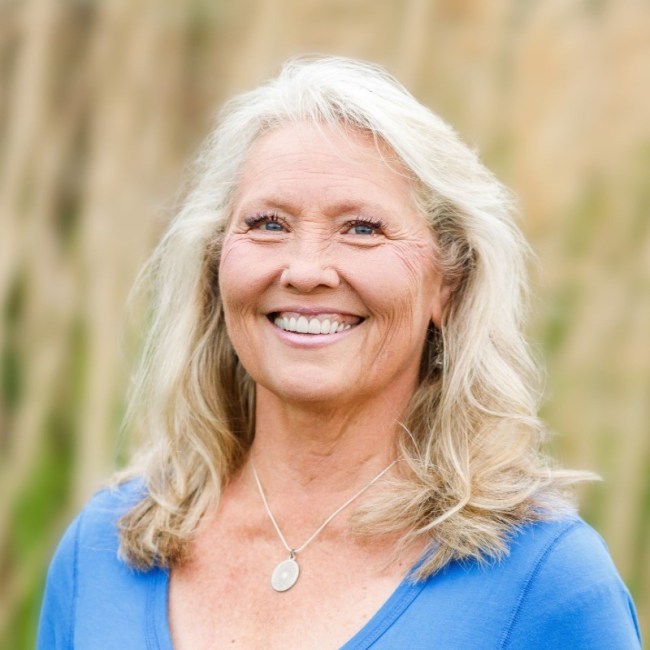
Tracie Edwards
Host